
As we move deeper into the fall semester, you've probably noticed the sun rising later, the temperatures dropping, and the demands of coursework piling up all at once. As winter approaches, many of us experience changes in our energy levels, mood, and sleep patterns. This month's tips offer practical, evidence-based strategies to help you stay well and feel supported during the shorter days ahead.
First of all, prioritizing sleep. When your body is asking for sleep, it's worth listening. Pushing through exhaustion often backfires, making it harder to concentrate, retain information, and manage stress. Sleep is productive. It can improve both your academic performance and your overall well-being, helping you study more effectively rather than simply studying longer. Giving yourself permission to rest is not a sign of falling behind. It's one of the best thing you can do for your health, learning, and success.
Get light early
Natural light plays an important role in regulating your circadian rhythm, the internal clock that helps control sleep, energy, and alertness. As the days get shorter and the sun rises later, it's helpful to be intentional about getting light exposure each day. Try taking a short walk before or in between class, studying near a window, or spending part of your lunch break outdoors.
Consider a light therapy box
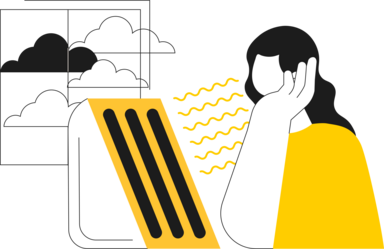
If mornings become especially challenging during the darker months, a light therapy box may help. Using a light box for 20 to 30 minutes shortly after waking may support your body's natural sleep-wake cycle and may improve energy and mood. If you're interested, check out the free light therapy resources available in the new Student Wellness office, recently moved to IMU. You can find more information on their website, studentwellness.uiowa.edu/light-therapy.
If you would like to improve your sleep, pick one or two things that feel doable:
For Falling Asleep
Manage racing thoughts and bedtime stress. If your mind tends to stay active when you're trying to fall asleep, try doing a "brain dump" by writing down tomorrow's tasks, responsibilities, or worries. Putting your thoughts on paper can free up mental space and make it easier to unwind rather than mentally rehearsing everything you need to remember.

Slow, controlled breathing can also help signal to your body that it's time to rest. Try breathing in for a count of four and out for a count of six for a few minutes. This pattern can calm your nervous system and reduce feelings of stress or restlessness.
Another helpful technique is progressive muscle relaxation. Starting with your feet and gradually moving upward to your face, gently tense and then relax each muscle group. This can help release physical tension that may have built up during the day.
Help your brain to associate your bed as a restful place. If you find yourself lying awake for a while, it may be more helpful to get out of bed than to continue tossing and turning. If you haven't fallen asleep after about 20 minutes or so, there is no need to watch the clock, simply trust your sense of time, get up and do a quiet, relaxing activity in low light, such as taking a warm shower, folding laundry, reading a non-academic book, or doing some gentle stretching. Return to bed when you begin to feel sleepy. Over time, this practice helps your brain associate your bed with sleep and relaxation rather than wakefulness, stress, or frustration.
For Staying Asleep
To improve your sleep, try creating an environment that is cool, dark, and quiet. Using an eye mask, blackout curtains, or white noise can help minimize disruptions and make it easier to fall back asleep. If you wake during the night, avoid checking the clock, as watching the time can increase stress and make it harder to relax. Limiting fluids, caffeine, and alcohol in the evening may also improve sleep quality, since alcohol often disrupts the second half of the night. If you do wake up, keep the lights dim, avoid looking at your phone, and focus on slow, steady breathing until you feel sleepy again.
A simple 60-minute wind-down
60 minutes before bed: Stop studying and write tomorrow's list (a 5-minute brain dump).
45 minutes before: Dim the lights and put your phone on do-not-disturb, out of reach.
30 minutes before: Try something calm, like a warm shower, stretching, non-academic reading, or quiet music.
10 minutes before: In bed, use slow breathing or muscle relaxation.
Short on time? Start with 15 to 20 minutes and build up. Repeating the same steps each night turns them into a cue for sleep.
A word on caffeine. Caffeine's half-life is roughly 5 to 6 hours, so an afternoon coffee can still be in your system at bedtime. Have it early in the day and stop at least 6 hours before you plan to sleep.
Try the free Refresh app
Student Wellness offers the Refresh app for free. Register before December 31, 2026, and you'll have access for four years. Find the registration form online at studentwellness.uiowa.edu/refresh.
Other self-care practices
Keep a steady rhythm. Wake up within about an hour of the same time every day, including weekends. Put lights-out and a wind-down alarm in your planner like any other commitment. This matters most in the dark months, when it's tempting to sleep much later.
Move your body. A short walk or stretch break boosts energy and can ease the afternoon slump.
Stay connected. When it's cold and dark, it's easy to pull away from people. Plan small, low-effort touchpoints: a weekly coffee, a study group, a walk with a classmate, or a call home.
Keep something you enjoy. Protect one activity outside school and clinic each week, even a small one. Rest and joy are part of being a good student and a future physician.
As we move through this season, consider committing to one small, achievable change that can support better sleep and overall well-being. Choose one strategy to focus on this month, such as maintaining a consistent wake-up time each day, creating a calming wind-down routine before bed, or taking a brief walk outdoors each morning to get daylight exposure. Share your goal with a friend or family member and encourage each other along the way, as having support can make it easier to stay motivated.
Contact MSCC
Phone: 319-335-8056 | Email: osac-mscc@uiowa.edu | Location: 2181 MERF, 8am-5pm Mon. - Fri.
Email should not be used to share confidential information or in the event of an emergency. If you are in crisis or you or someone you know is having thoughts of suicide, call or text 9-8-8 or 844-461-5420.
We would love to hear from you! Your feedback and ideas help us shape future content in ways that are useful and relevant, please consider sharing through our anonymous feedback form.
